Red vs White Wine: What's the Real Difference?
wine | April 27, 2025, 9:28 p.m.
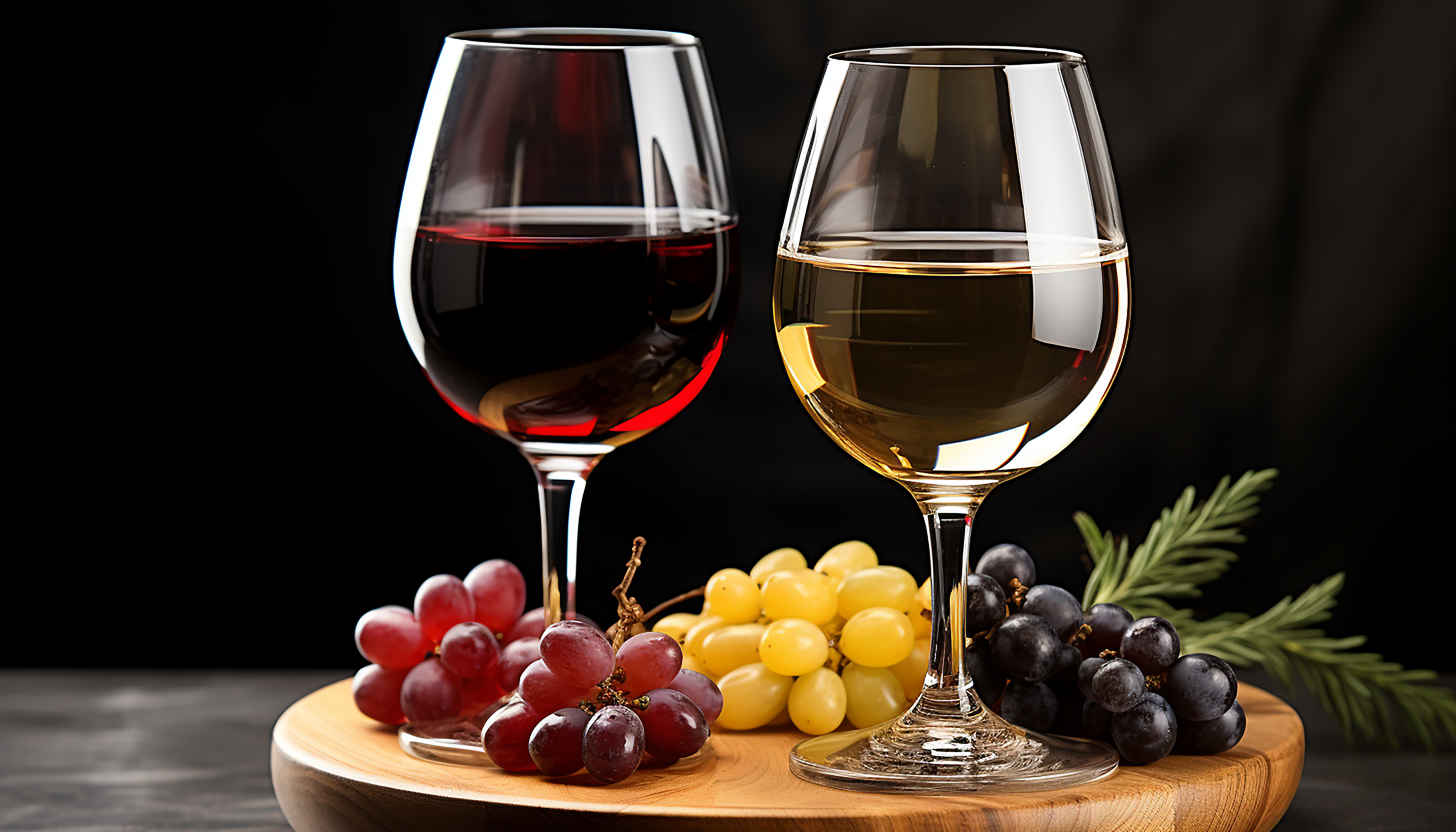
When you first step into the world of wine, one of the first choices you’ll make is simple — red or white?
It sounds easy, but behind that choice is a whole universe of flavor, texture, and experience waiting to be explored.
At a glance, the difference between red and white wine seems obvious: color.
But it goes so much deeper than that. It’s about the grapes themselves, how the wines are made, how they taste, and even how they make you feel when you’re sipping a glass at the end of a long day.
So, what exactly separates red and white wine — and how do you know which one is right for you tonight?
How Red and White Wines Are Made
The key difference lies in the grape skins.
Red wine is fermented with the grape skins, seeds, and sometimes stems, which is where it picks up its deep color, tannins (that dry, puckery feeling), and much of its flavor complexity.
White wine, on the other hand, is typically fermented without the skins. The juice is pressed away early, giving white wines their lighter color, fresher flavors, and crisp acidity.
Interestingly, you can actually make white wine from red grapes — Champagne, for example, often uses Pinot Noir grapes but without skin contact.
Taste, Texture, and Mood
Generally speaking, red wines tend to be richer, deeper, and heavier, with flavors that can range from fruity (think cherries and plums) to earthy (like leather or tobacco). They’re cozy, bold, and built for slow sipping.
White wines, by contrast, are usually lighter, crisper, and more refreshing, with flavors like green apple, lemon zest, and white flowers. They feel like sunshine in a glass — bright, lively, and often a little playful.
That’s why people often reach for red wine when the weather cools down, and for white wine when the days get longer and warmer.
When to Choose Red or White
If you’re tucking into a hearty dinner — steak, mushroom risotto, a plate of spaghetti Bolognese — a red wine with a little structure and weight will stand up beautifully.
Cabernet Sauvignon, Merlot, and Syrah are classic go-tos for a reason.
But if you’re nibbling on a cheese board, sipping seafood pasta, or lounging at a spring picnic, a crisp white wine can be pure magic.
Sauvignon Blanc, Pinot Grigio, and Chardonnay (especially unoaked) are light, bright companions that won’t overpower your meal.
And of course, there’s no rule that says you can’t break all the so-called “rules.”
A chilled red wine (like a Beaujolais) can be just as refreshing as a white on a warm evening, and a rich, full-bodied Chardonnay can feel just as cozy as a red in winter.
The Real Answer: Follow Your Mood
At the end of the day, wine is about joy.
It's not about strict rules or stuffy traditions — it’s about what feels good in the moment.
Sometimes you’ll want a juicy, velvety red that feels like a warm hug.
Sometimes you’ll crave a crisp white that dances on your tongue.
And sometimes, just sometimes, you’ll realize that the best wine isn’t red or white — it’s the one you’re enjoying right now.
Comments
Please log in to leave a comment